REVIEW · SINTRA
Rock Climbing in Sintra, Lisbon
Book on Viator →Operated by Life Outside · Bookable on Viator
Sintra is a rare place where your playground has both rock and views. This 4-hour climbing experience starts with a short trek through Sintra’s green hills, then gets you on real granite with routes for every level. What I like most is how the guides keep things safe and encouraging, and how the scenery makes the breaks feel like part of the activity. One thing to consider: the rock needs to be dry, so weather can shift dates or change plans.
You’ll meet up near Praça da República and start at 9:00 am, with English instruction and all the climbing gear provided. A small group size (max 10) and a guide-to-climber ratio of 1 guide per 3 people when needed also means you get real attention, not just a quick handoff of equipment.
In This Review
- Key Highlights You Should Know Before You Go
- Why Granite Climbing Feels Different in Sintra
- Meeting at Praça da República and Starting at 9:00
- The Warm-Up Trek Through Sintra’s Green and the First Climbing Basics
- Routes for Every Level: From Easy Progression to Multi-Pitch Days
- What the Climb Feels Like: Safety Depends on Dry Rock
- Guides Matter: Mario and Jose Set the Tone
- Group Size, Guide Ratio, and Why It Changes Your Day
- Gear and Insurance: What’s Included (and What You’ll Need to Plan For)
- Price and Value: How $94.63 Works for a 4-Hour Climb
- Weather, Crowds, and Picking the Best Day
- Who This Climbing Experience Suits Best
- Should You Book Rock Climbing in Sintra?
- FAQ
- What time does the Sintra rock climbing experience start?
- How long does the experience last?
- Where do we meet for the activity?
- Where does the activity end?
- Is the tour offered in English?
- What’s included in the price?
- What is not included?
- Do I need experience to climb?
- What if the weather is bad?
- How big are the groups?
Key Highlights You Should Know Before You Go
- Granite climbing in Sintra with routes matched to your fitness and experience
- Short trek warm-up before you touch the wall, so you start confident
- All gear included (helmet, harness, shoes, rope system, chalk, and more)
- Multi-pitch options for experienced climbers, plus easier routes for first-timers
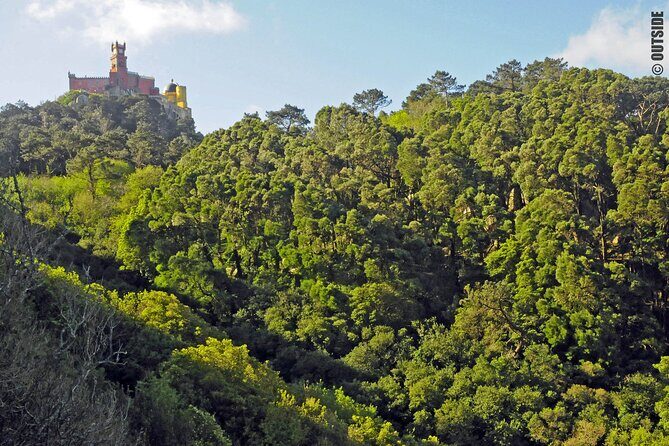
- Breaks with green-and-blue views, so the “rest” actually feels good
- Small groups up to 10, with extra guides when the group is bigger than 3
Why Granite Climbing Feels Different in Sintra
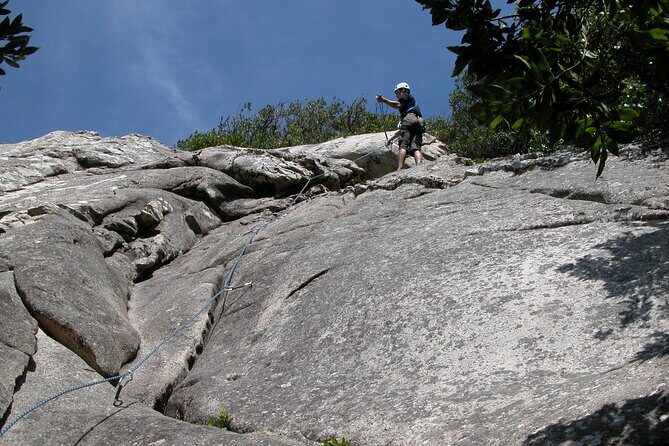
Sintra has a way of making outdoor time feel special, even before you climb. The setting mixes tall green vegetation with wide, calming views that you can look at during rests, so the day doesn’t turn into one long grind.
On the rock itself, granite is all about friction and control. When the rock is dry, holds feel more predictable and you can focus on technique instead of fighting an unpredictable surface.
If you're still narrowing it down, here are other tours in Sintra we've reviewed.


Meeting at Praça da República and Starting at 9:00
Your day begins at Praça da República 21 in Sintra, with an 9:00 am start time. The location is central, and the area is near public transportation, which makes it easier to arrive without needing complicated planning.
You’ll also get a mobile ticket at booking time, which simplifies day-of logistics. From there, you’re guided from the meetup into the quick approach that sets the tone: relaxed pace at first, then warmer and more focused once you reach the routes.
The Warm-Up Trek Through Sintra’s Green and the First Climbing Basics
The experience starts straight away with a short trek surrounded by Sintra’s green. This is more than just walking time. It helps you get used to the outdoors, builds a little anticipation, and keeps the group moving together so you’re not scrambling when it’s time to climb.
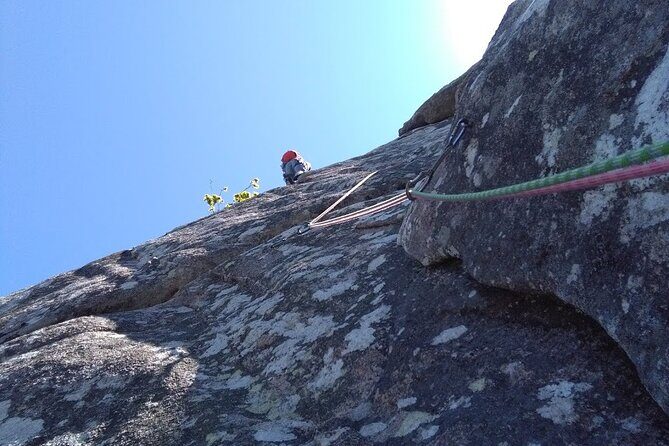
Once you reach the climbing routes, you’ll get basic climbing instructions, then get fitted with the gear and start climbing. This is where the experience earns its value, because you’re not left guessing how to stand in a harness or clip in correctly.
Routes for Every Level: From Easy Progression to Multi-Pitch Days
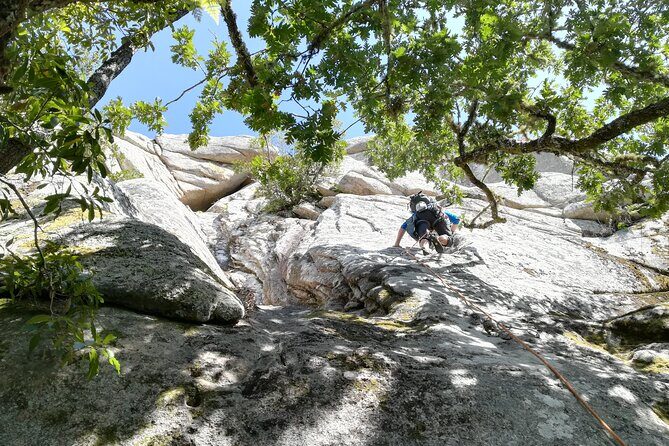
One of the strongest reasons to book here is that the routes are designed for different ages and fitness levels. You’ll have options for beginners and casual climbers, and if you already climb often, there are multi-pitch routes that offer a bigger day out on the wall.
For newer climbers, the vibe is practical and encouraging: you’ll learn how climbing works in this environment, get guidance as you go, and build confidence as you progress. For more experienced climbers, the promise is real—multi-pitch climbing means sustained movement, route-finding moments, and a longer “story” across the climb.
Between attempts, you’ll also have a chance to breathe and reset. The view during breaks is described as relaxing, with surrounding green and blue scenery, and that matters when you’re working on balance and footwork.
What the Climb Feels Like: Safety Depends on Dry Rock
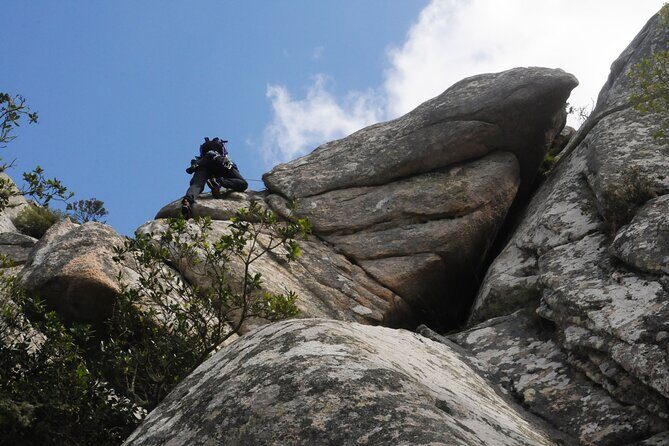
The organizer is clear about one key requirement: the rock must be dry for safety and good climbing conditions. That’s not a small detail. Granite can get slick when it’s wet, and climbing shoes and technique only help so much if the surface is off.
During the climb, you’re working within the guide’s instruction and route plan, and you’ll be using the full system of ropes and protection with a helmet and harness. The goal is to make you feel secure while still giving you real climbing challenges.
In practice, this setup means you spend your energy on movement—hands, feet, breathing, and listening—rather than worrying about gear basics. The guides also build in tips that help you climb smarter, not just harder.



Guides Matter: Mario and Jose Set the Tone
The names Mario and Jose show up for a reason: the groups that booked this experience got consistent feedback about the guides’ approach. Mario is described as excellent—patient, safety-focused, and highly supportive while still offering routes with progression and challenges.
Jose also comes up for making climbing feel accessible. One account highlights how Jose helped a relatively new climber feel comfortable enough to work on leading and try harder top-rope options, with the guide pushing in a way that felt motivating rather than overwhelming.
Beyond climbing technique, both guides are also credited with sharing tips for what to do after the climb. That’s useful if you’re in Sintra for a short trip and want to turn your morning activity into a fuller day—climbing, then food and sightseeing without wasting time guessing.
Group Size, Guide Ratio, and Why It Changes Your Day
This activity caps at a maximum of 10 people. That’s a big deal because climbing needs attention: gear checks, route decisions, and quick corrections when something feels off.
The guide ratio is also part of the plan. If the group is bigger than 3 people, extra guides are provided using a 1 guide per 3 participants ratio. That means you’re less likely to be waiting around while others get coached.
You’ll also feel that small-group structure during the climb. It’s easier to ask questions, get help with clipping or technique, and stay calm when the guide is close enough to respond quickly.
Gear and Insurance: What’s Included (and What You’ll Need to Plan For)
The price includes all climbing equipment. That covers the essentials like rope setup, hardware, helmet, harness, climbing shoes, and chalk, plus the rest of what you need to safely climb.
Insurance is also included, and you have an instructor guiding you. For many people, that’s the real convenience factor: you don’t need to find a shop, rent the right gear, or figure out what’s safe.
What isn’t included is simpler: drinks and snacks, and hotel pickup/drop-off. So you’ll want to plan water and a small snack strategy. Also, since there’s no hotel pickup, you should be comfortable reaching Praça da República on your own schedule.
Price and Value: How $94.63 Works for a 4-Hour Climb
At $94.63 per person for about 4 hours, this isn’t a bargain in the way free activities are. But it’s also not priced like a half-day where you bring your own equipment and figure it out yourself.
Here’s the value math I see:
- All equipment included, which can be a big cost if you’re renting shoes, harness gear, and more
- An instructor plus insurance, which adds both safety and coaching time
- Small-group approach (max 10), plus extra guides when groups get bigger than 3
- Climbing time plus a guided approach, not just a short demo
If you’re traveling to Sintra for multiple attractions, you also want an activity that gives you something different from the usual palaces and viewpoints. This delivers that: hands-on climbing in a scenic setting, without you having to plan gear or worry about route logistics.
Weather, Crowds, and Picking the Best Day
Weather matters here, and the requirement is straightforward: rock needs to be dry. If conditions are bad, the experience can be forced to change dates. If your group can’t make the suggested dates, the plan is to cancel and issue a 100% refund.
Crowds are the other practical factor. The climbing area can get busy on weekends, so if you can choose your day, a weekday usually leads to a more authentic, less congested experience.
This is also why a 9:00 am start makes sense. You’re more likely to climb while conditions are at their best, and you’ll use your day efficiently without turning the day into waiting time.
Who This Climbing Experience Suits Best
This is a great fit if you want guided climbing without turning your vacation into a logistics puzzle. You’ll have routes for every age and fitness level, and basic instructions are part of the plan, so first-timers are not “out of bounds.”
It’s especially good for people who want:
- Casual, no-pressure climbing with real safety focus
- A chance to learn technique and climb with encouragement
- Better-than-average views during breaks, not just hard work for hard work’s sake
- Option to step up into more challenging climbs if you already have experience
You should have a moderate physical fitness level, since you’ll be doing a short trek and climbing requires stamina and body control. If you’re unsure whether climbing is right for you, tell the guide your comfort level and let them match you to a suitable route.
Service animals are allowed too, and the meeting point is near public transportation, which makes the morning start easier if you’re not driving.
Should You Book Rock Climbing in Sintra?
If you want a memorable half-day that mixes skill-building, scenery, and real guidance, I’d say yes—especially if you can book a weekday and climb when conditions are dry.
Here’s my quick decision checklist:
- Book if you want routes matched to your level and a guide who teaches with patience.
- Book if you like the idea of taking breaks with green-and-blue views and not just waiting on a ledge.
- Think twice if weather is unstable during your planned dates, since dry rock is required and timing may shift.
If your goal is a hands-on experience that feels like Sintra instead of just a stop along the way, this is one of the best ways to do it.
FAQ
What time does the Sintra rock climbing experience start?
It starts at 9:00 am.
How long does the experience last?
It lasts about 4 hours.
Where do we meet for the activity?
The meeting point is Praça da República 21, 2710-616 Sintra, Portugal.
Where does the activity end?
It ends back at the meeting point.
Is the tour offered in English?
Yes, it’s offered in English.
What’s included in the price?
You get all climbing equipment, an insurance component, and a rock climbing instructor.
What is not included?
Drinks and snacks are not included, and there is no hotel pickup and drop-off.
Do I need experience to climb?
Routes are available for every age and fitness level, and more experienced climbers can access multi-pitch routes. You’ll also receive basic climbing instructions.
What if the weather is bad?
The experience requires good weather and dry rock. If it’s canceled due to poor weather, you can be offered a different date or a full refund.
How big are the groups?
The experience has a maximum of 10 people. If the group is bigger than 3, extra guides are added using a 1 guide per 3 participants ratio.