REVIEW · SINTRA
3 Tours Private / Tour SINTRA Second Day Tour FÁTIMA Third day Tour LISBON
Book on Viator →Operated by Fantastic Ride · Bookable on Viator
Sintra, Fátima, Lisbon in one smooth sweep. I like how this private touring plan pairs Sintra palaces with the calm of Fátima, then finishes with classic Lisbon viewpoints. You start at 09:00 in Lisbon, ride in an air-conditioned vehicle with Wi‑Fi and bottled water, and you can flex the pacing in each spot with your driver.
Two things I’d highlight: the guide-led order of highlights (so you don’t waste time guessing where to go first) and the practical in-vehicle comfort that matters on a 3-day loop. The main drawback to consider is that tickets are not included, and several top sights involve stairs or hills—worth bringing that up early if anyone in your group has mobility limits.
In This Review
- Key Points to Know Before You Go
- How This 3-Day Portugal Loop Works (Lisbon 09:00 to Your Hotel)
- Day 1 Sintra: Moorish Castle, Pena, and the UNESCO Romantic Core
- Pena Palace Time Tips: Your 2-Hour Slot Makes or Breaks the View
- Quinta da Regaleira and Monserrate: The Sintra Odd Couple You’ll Want
- Day 2 Fátima: Valinhos, Three Basilicas, and the Quiet Logic of Pilgrimage
- Day 3 Lisbon: Jerónimos, Belém Tower, Pastéis, and Multiple Miradors
- Price, Value, and What You’ll Still Need to Pay
- Who This Private Tour Suits Best (and Who Should Adjust Expectations)
- Should You Book This 3-Day Private Tour?
- FAQ
- Is this a private tour?
- What time does the tour start and where does it end?
- What’s included in the tour price?
- Are entrance tickets included?
- Is pickup available?
- How far in advance is it usually booked?
- Is it refundable if plans change?
Key Points to Know Before You Go
- Lisbon start at 09:00, end at your Lisbon accommodation: same-day focus without complicated transfers.
- Flexible time in each stop: your driver can adjust your pacing to your group.
- Private group only: it’s not a crowded bus experience.
- Sintra’s UNESCO highlights, stacked efficiently: Moorish Castle, Pena, Sintra’s historic center, and more.
- Fátima in layers: Valinhos route, then modern and historic basilicas and the apparition chapel area.
- Lisbon walkable historic core: Jerónimos, Belém Tower area, Rossio, the Cathedral, and multiple miradors.
How This 3-Day Portugal Loop Works (Lisbon 09:00 to Your Hotel)
This is a true 3-day, private circuit that starts each day at 09:00 in Lisbon and ends back at your accommodation in Lisbon. That matters because you avoid the “where do I meet tomorrow” scramble. The vehicle includes air conditioning, Wi‑Fi, and bottled water, and the plan is built so you’re moving between regions without burning your whole day on logistics.
Another smart detail: you’re not locked into a rigid clock. The tour says the time at each location can be flexed according to your schedule with the driver. In plain terms, that means if your group moves slower at a viewpoint, you can often recover time later without derailing the day.
Also, keep expectations clear on what’s included. The tour covers transport and guide time, but tickets and meals are not included, and there is no restroom onboard. You’ll want to plan for stop-and-go breaks during longer visits, especially on the Sintra and Lisbon days.
Other private tours in Sintra

Day 1 Sintra: Moorish Castle, Pena, and the UNESCO Romantic Core
Sintra is the kind of place that makes you ask, where do I even start? This day gives you an order that feels logical: rise into the older fortifications first, then shift into the royal-palace era, then finish in the village core and the romantic estates.
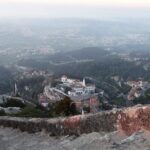
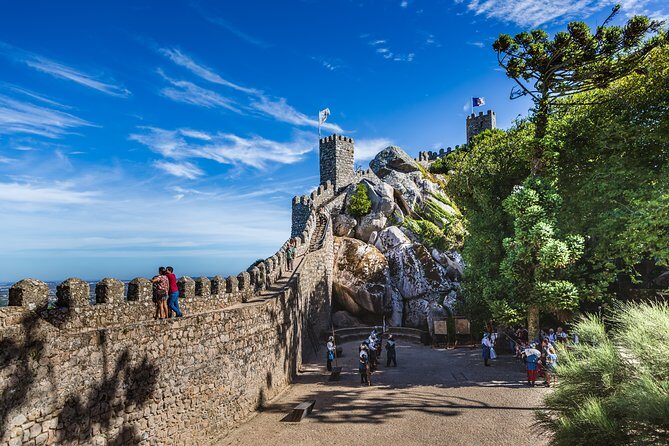
The day begins with Moorish Castle, a stronghold skirting two Sintra mountain ranges. You learn that it dates back to early Moorish occupation (8th century), and later it was taken by Dom Afonso Henriques in 1147. The story continues with what the Portuguese added: an early Christian chapel dedicated to St. Peter of Penaferrim, plus later restorations led by Dom Fernando II. Two features to keep an eye out for are the Moorish cistern inside and the so-called Royal Tower—those details make the castle feel more than just walls.
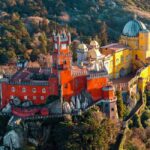
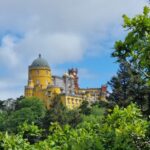
Next comes Parque e Palácio Nacional da Pena (Pena Palace). This is your classic “wow” stop, positioned on Monte da Pena, built on the site of a former monastery. You’ll also hear the real origin story: the palace was built by D. Fernando de Saxe Coburg-Gotha, who married Queen Dona Maria II in 1836. He bought the convent and surrounding land after falling for Sintra and created a summer palace for the royal family. Practically, this is a long stop—plan around 2 hours because the palace is one thing, but the grounds and viewpoints are another.
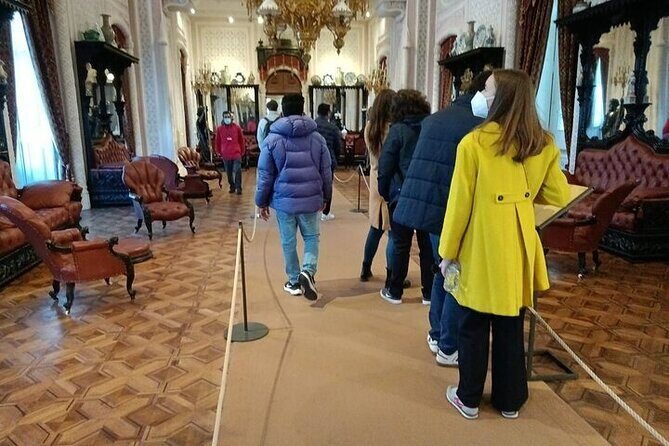
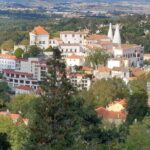
Then you shift into the heart of the historic village with the Centro Histórico de Sintra (about 1 hour, ticket free). You’re looking for the layered feel: buildings from different periods and cultural movements stacked together. Finally, you visit the Sintra National Palace, a standout among Portuguese medieval royal palaces. It’s tied to royal choices across dynasties, with the current palace linked to Dom João I (rebuilding) and later enrichment by Dom Manuel I (decorative additions and a new wing).
The only downside to this “greatest hits” approach is physical effort. Sintra is hilly. Even if you take breaks, you’ll be walking between stops. If anyone in your group has issues, you’ll get better results by telling your driver early so the pacing can be adjusted.
Pena Palace Time Tips: Your 2-Hour Slot Makes or Breaks the View
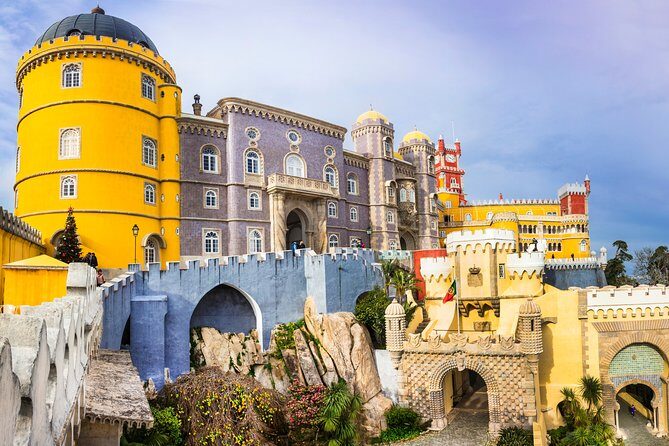
Pena Palace is the anchor sight of Sintra, so your time management here affects the whole day. The itinerary suggests about 2 hours, and that’s a good number if you want time for both the interior and the exterior views.
I like how the tour connects Pena with what surrounds it. You’re not just walking into a palace; you’re arriving on a mountaintop site with sweeping panoramas over the Sintra Mountains and the coast. There’s even a restaurant installed in one palace wing with a terrace view, so you can use that time strategically—either for a quick rest or simply to slow down when the group needs a breather.
Two practical considerations:
- Wear shoes that handle stone steps. Pena is famous for changing elevation constantly.
- Don’t treat the palace interior and the surrounding grounds as interchangeable. You’ll want a bit of time outside, because the views are half the point.
If you’re traveling in a group with mixed walking ability, this is also the day where flexibility matters most. The tour’s private format makes it easier to reduce rushing without feeling like you’ll be left behind.
Quinta da Regaleira and Monserrate: The Sintra Odd Couple You’ll Want
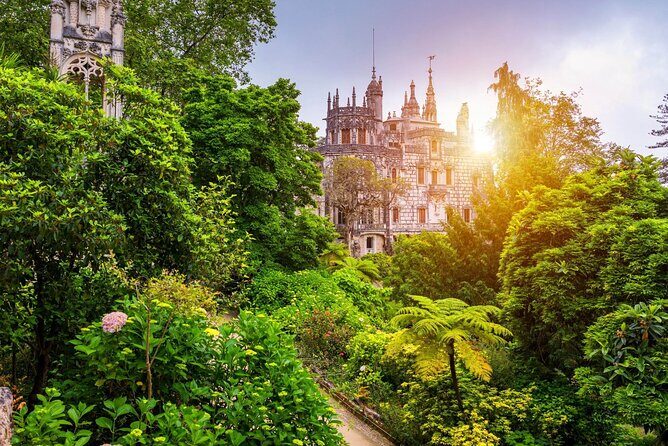
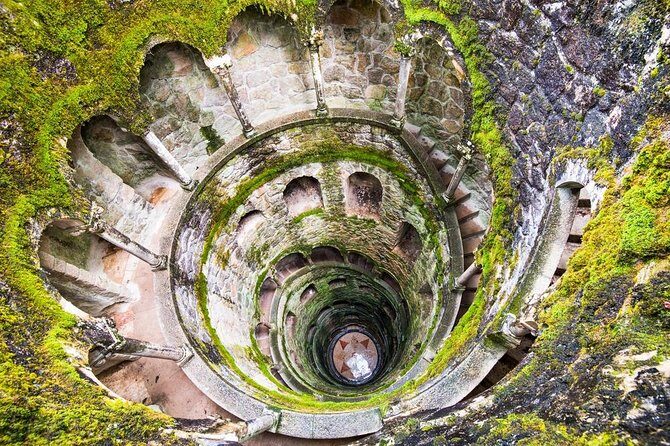
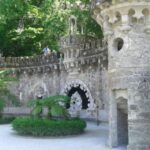
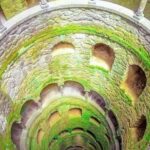
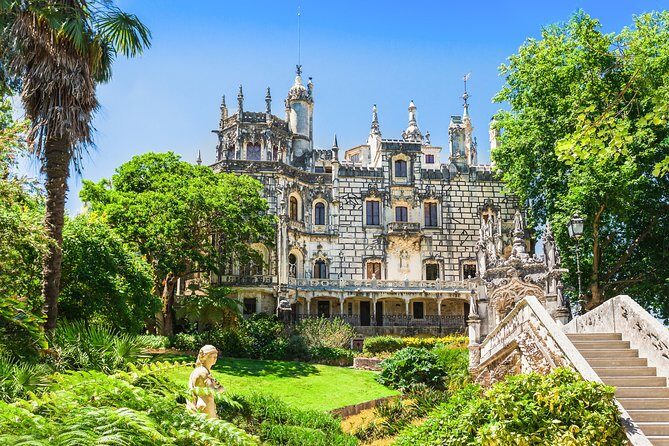
After the village stops, the tour goes a step more theatrical with Quinta da Regaleira. It’s close to the historic center, and it’s described as one of Sintra’s most enigmatic sights. Built in the early 1900s by millionaire Antonio Augusto Carvalho Monteiro, it was shaped by scenographic architect Luigi Manini. The palace style is a romantic revival mix—drawing from Gothic, Manueline, and Renaissance forms—and it’s filled with mythical and esoteric symbolism.
This stop is scheduled for about 1 hour 30 minutes and is ticketed, so arrive ready to spend. If you like gardens, symbolism, and architectural imagination, this is often the kind of place people remember long after the “big” palace day.
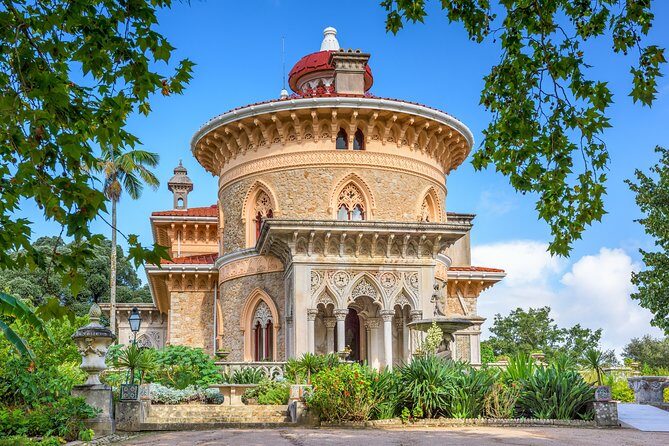
Then there’s Park and Palace of Monserrate, another romantic-era creation tied to William Beckford, who fell in love with the Sintra Mountain. Even if you don’t have time for every corner, Monserrate helps balance the day. Pena and the national palace feel official and royal. Monserrate feels more like someone’s creative dream translated into landscaping and architecture.
If you only choose one “extra” in Sintra, Quinta da Regaleira is the one that adds personality. It also gives a nice break from pure palace history.
Day 2 Fátima: Valinhos, Three Basilicas, and the Quiet Logic of Pilgrimage
Fátima works best when you treat it as a place with rhythm, not just a checklist. This day starts with Valinhos Sanctuary, which is where pilgrims take a Via-Sacra route toward the Hungarian Calvary. The itinerary also points you to key stops there: the Chapel of St. Stephen of Hungary, plus the House of Lucy and the House of Francis and Jacinta Marto in Aljustrel.
A detail worth noticing: the stations of the Via-Sacra and the sculptures of the Angel of Portugal are credited to Maria Amélia Carvalheira da Silva. That’s the kind of fact that makes the route feel planned and meaningful, not random.
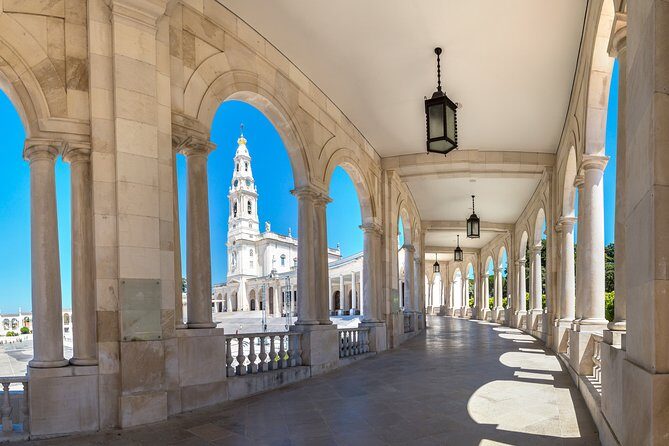
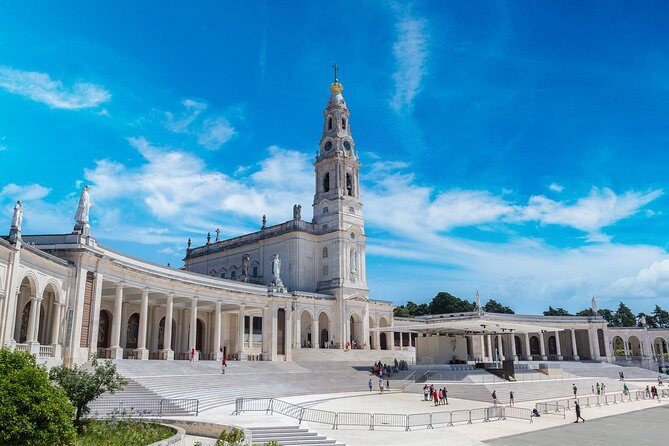
Then you move to the Sanctuary’s major church buildings, starting with the Basilica of the Holy Trinity. This one stands out because it’s modern, round, and white, built inside the sanctuary enclosure on the opposite side of the Basilica of Our Lady. It was inaugurated in 2007, but the need for it had been discussed since 1973. The scale is hard to miss: it’s 125 m in diameter with no intermediate support (so the interior reads as one big open space). The color reference—local stone described as “white of the sea”—is also part of why the building looks so bright.
Next is Capela das Aparições, the apparition chapel area. Built by local people in 1919 in response to the request made by Our Lady, it holds the spot tied to the holm-oak tree where the shepherds came to say the rosary. That tree disappeared gradually as believers took pieces over time. The chapel’s rough, hermitage-like design remains a key part of its character, and the first mass here was in 1921.
Finally, you visit the Basilica of Our Lady of the Rosary, commonly called the Basilica of the Rosary. This basilica integrates into the Sanctuary at Cova da Iria in Fátima (in the municipality of Ourém). It’s scheduled for about 30 minutes, which is enough time to take it in without feeling rushed.
The best way to enjoy this day is to shift gears. Sintra is dramatic and architectural. Fátima is about ceremony, silence breaks, and letting the space set the pace.


Day 3 Lisbon: Jerónimos, Belém Tower, Pastéis, and Multiple Miradors
Lisbon day is built around a strong chain: Manueline grandeur in Belém, signature riverfront sights, then a transition into the historic center with viewpoints that make the city click.
Start with Mosteiro dos Jerónimos on the banks of the Tagus. You’ll hear how it connects to the Discoveries: the monastery is called an apogee of Manueline architecture. It didn’t start as a grand monastery—there was originally a smaller hermitage dedicated to Santa Maria built in 1452 by Infante D. Henrique. Later, King Manuel I planned a larger monastery, backed by the Holy See, and it was donated to the Order of the Friars of St. Jerome.
Next: Torre de Belém. This is described like a jewel—ornamentation plus defensive power. It was ordered by King Manuel I, built by Francisco de Arruda between 1514 and 1521, and it sat on a basalt island near the right bank of the Tagus. Over time, the river’s course changed and the tower became practically swallowed by the bank. UNESCO recognition came in 1983, which is a good reminder that this is not just a pretty stop.
Then comes a very Lisbon moment: Pastéis de Belém. The itinerary gives the origin story tied to the 1820 liberal revolution, when convents and monasteries were shut down in 1834. The pastries were sold from a small store associated with the monastery’s sugar refinery, and they became known as Pastéis de Belém. This is scheduled at 30 minutes, so it’s a taste-and-walk stop rather than a full food tour.
After that, you’ll see the Padrão dos Descobrimentos, the Monument to the Discoveries on the riverside at Belém. It was designed in 1940 for the Exposition of the Portuguese World, but the monument itself was built later in 1960, for commemorations tied to 500 years since the death of Prince Henry the Navigator.
Then you work inward toward the city: Parque Eduardo VII for panoramic views north of Avenida da Liberdade. It was originally called Parque da Liberdade and renamed after King Edward VII’s visit in 1903.
Once you hit the historic downtown, you’ll pass through:
- Rossio Square, rebuilt after the 1755 earthquake, with neo-classical balance centered around the D. Maria II Theatre.
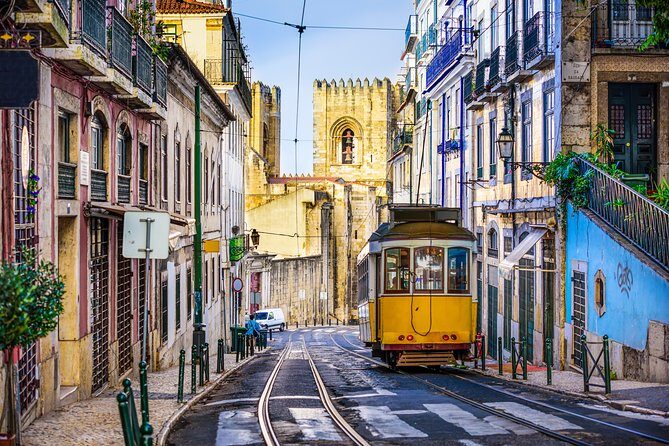
- Lisbon Cathedral (Sé Catedral de Lisboa), construction begun in 1147 after reconquest by D. Afonso Henriques. It sits atop a Muslim mosque, itself linked to earlier Visigothic Christian temple remains.
- A pair of miradouros for views.
The day ends with viewpoints that make Lisbon feel readable:
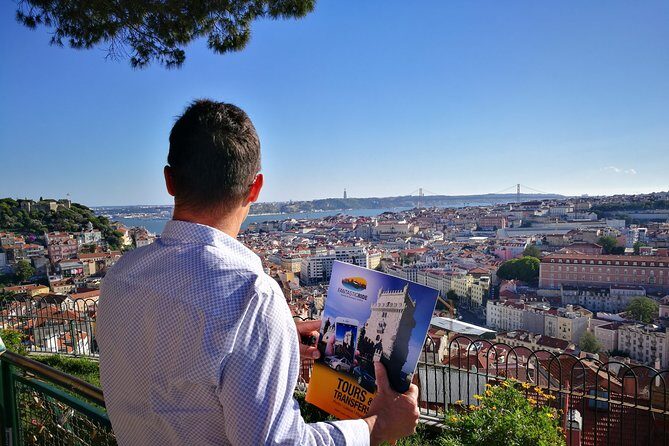
- Miradouro de Santa Luzia, looking over Alfama and the Tagus. The details to notice include the dome of Santa Engrácia, Santo Estêvão, and the two white towers of São Miguel. You also get tile panels on the south wall connected to Praça do Comércio before the earthquake and Christians attacking St. George’s castle.
- Miradouro da Senhora do Monte, in São Vicente (Graça). From here you can see the sea of the Straw, Castle of São Jorge, parts of Baixa, and the Tagus estuary, plus vistas toward Bairro Alto and even Monsanto’s forest park area.
This mix of churches, monuments, and viewpoints makes the last day feel less like museum time and more like city orientation.
Price, Value, and What You’ll Still Need to Pay
At $581.78 per person for an approx. 3-day program, the value mostly comes from the structure: private transport, in-vehicle Wi‑Fi, AC, and a driver-guided route that reduces decision fatigue across three big regions. The fact that this is booked about 45 days in advance on average also suggests demand for a set schedule that people don’t want to plan themselves.
One big cost note: tickets are not included. That means your final trip total will depend on which entrances you choose (and how long you spend at ticketed stops like Pena and Quinta da Regaleira, plus several Lisbon monuments). Your tour cost is for the plan and transportation, not for admissions.
Also, there’s no restroom onboard. So build in stop time where needed, especially on the day that includes multiple viewpoint transitions.
On the plus side, private touring is often the hidden value when someone in your group has slower walking days. The reviews highlight that guides can adjust for people with walking issues. That kind of flexibility can save you from turning a dream trip into a stress trip.
Who This Private Tour Suits Best (and Who Should Adjust Expectations)
This fits you best if you want:
- A structured, efficient route across Sintra, Fátima, and Lisbon without public-transport juggling.
- Comfort on the road: air-conditioned vehicle, Wi‑Fi, bottled water.
- A guide who explains meaning and connects the dots, not just points and photos.
It also makes sense if you’re traveling with friends or family and want a single group plan. The tour lists group discounts, and it’s private, so you’re not stuck with strangers setting your pace.
You might want to adjust expectations if:
- Your group hates stairs and hills. Sintra palaces and viewpoints can be physically demanding even when you pace carefully.
- You want fully included attractions and meals. This plan leaves tickets and food up to you.
On the guide side, the reviews praise specific professionals by name. One guide, Margarida, gets credit for excellent service with a group that included people with walking challenges. Another, Filipe, is praised for professional, history-focused guidance and pride in the city he’s showing you. That tells me the company’s strength is people skills plus history facts, which is what you want on a short itinerary.
Should You Book This 3-Day Private Tour?
Yes, I’d consider booking it if you want the biggest “Portugal highlights” trip style without renting a car or mapping routes every day. The private format, hotel-based start and end, and comfort in the vehicle add up to real stress reduction.
Book it with a little homework on your side: budget for separate entrance tickets, plan for hills in Sintra, and decide early how long you want at ticketed sights like Pena and Quinta da Regaleira. If you do that, you’ll get a smooth, meaningful arc: royal Sintra drama, Fátima’s layered sacred spaces, then Lisbon’s riverfront grandeur and city-view clarity.
If your group includes mobility limitations, tell the provider early so your driver can shape the day around your pace. This kind of tour can work well when the plan is allowed to flex.
FAQ
Is this a private tour?
Yes. It’s listed as a private tour/activity, so only your group participates.
What time does the tour start and where does it end?
All tours start in Lisbon at 09:00 and end back in the same place: your accommodation in Lisbon.
What’s included in the tour price?
Included items are bottled water, an air-conditioned vehicle, private transportation, and Wi‑Fi on board.
Are entrance tickets included?
No. The itinerary notes that tickets are not included (while some stops are listed as free).
Is pickup available?
Pickup is offered.
How far in advance is it usually booked?
On average, it’s booked about 45 days in advance.
Is it refundable if plans change?
Yes. It offers free cancellation up to 24 hours in advance for a full refund.
If you want, tell me your travel month and whether anyone in your group has mobility constraints, and I’ll suggest an ordering of priorities (Sintra vs. viewpoints vs. Fátima pacing) that fits the way this tour flexes time.