REVIEW · SINTRA
Sintra and Cascais Private Tour with Transportation
Book on Viator →Operated by Dave's Discovery Tours · Bookable on Viator
One morning, you’re in Sintra’s fairy-tale world. By evening, you’re staring at sea cliffs on the Portuguese coast. A private setup like this is the big difference: fewer logistics worries, more time on the places that actually matter, and a day that can bend to your pace.
I especially like the door-to-door private transportation and the way the route mixes top-ticket sights with calmer coastal breaks. I also like that the tour leans on flexibility—want to focus on exteriors, skip interiors, or slow down for photos and coffee? That’s part of the plan. One thing to consider: the day includes hilltop stops and walking uphill, so comfortable shoes are not optional.
In This Review
- Key highlights at a glance
- Why a private Sintra and Cascais day beats DIY
- Price, timing, and what $63 actually buys you
- Getting picked up and staying comfortable all day
- Stop 1: Monserrate’s Romantic park and Beckford’s palace rooms
- Stop 2: Pena Palace on the hilltop (views, plus optional interior time)
- Stop 3: Quinta da Regaleira and the spiral staircase to the initiation well
- Stop 4: Sintra National Palace and the azulejo details you might miss otherwise
- Stop 5: Castelo dos Mouros for big views and early Moorish layers
- Stops 6 and 7: Azenhas do Mar and Cascais, where the day turns coastal
- Azenhas do Mar
- Cascais
- Stop 8: Cabo da Roca, the westerly point of mainland Europe
- If there’s time: Belém drive-by for monastery, tower, and pastries
- Walking, tickets, and how to plan for an efficient day
- Who this Sintra and Cascais tour fits best
- Should you book this private Sintra and Cascais day?
- FAQ
- How long is the Sintra and Cascais private tour?
- Is pickup included, and where does it start?
- Are entrance tickets included in the $63.05 price?
- Is this a private tour or a group tour?
- What’s included during the ride?
- Do I need a physical ticket?
Key highlights at a glance
- Private pickup from your chosen location for less wasted time
- Romantic-era Sintra palaces and gardens with options to skip inside areas
- Quinta da Regaleira’s initiation well and spiral staircase moment
- Coastline payoff stops from Azenhas do Mar to Cabo da Roca
- Air-conditioned ride with WiFi, bottled water, and extra snacks for the road
- A guide who helps you choose tickets so you don’t lose time
Why a private Sintra and Cascais day beats DIY
Sintra can be fun on your own, but it can also turn into a time-sink: crowded entrances, slow bus connections, and constant recalculating. A private day from the start is built to fix that. You’re picked up at 8:00 am, then transported between the major stops in air-conditioned comfort—so you spend your energy sightseeing, not juggling schedules.
What makes this setup feel especially smart is how it blends different types of attractions. You get the grand, famous palaces in Sintra, then you shift to the coast with viewpoints and beaches in the Cascais area. That rhythm helps the day feel varied rather than like one long line of monuments.
More Private Tours of Sintra in Sintra



Price, timing, and what $63 actually buys you
The listed price is about $63.05 per person for a private experience, with the day running roughly 7 to 10 hours. That range is typical for Sintra/Cascais because timing depends on crowds, the exact ticket choices you make, and how long you linger for photos and viewpoints.
Here’s the key value point: transportation is included, which is where DIY often gets expensive and stressful once you add taxis, extra rides, and time lost between areas. You also get WiFi on board and bottled water, plus the helpful habit of having a small cooler with extras like water, juices, and cereal bars. Those small things matter when the day is long and your first priority is the scenery.
Entrance tickets are not included. Prices vary, often landing around 10 to 17 euros per ticket, and not every inside visit is mandatory. The best way to get value is to decide ahead of time which palaces you want to enter and which you’re happy to see from the outside.
Getting picked up and staying comfortable all day
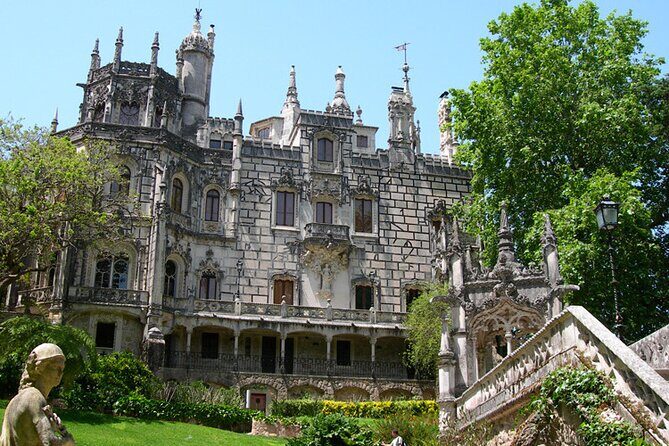
Start at 8:00 am. That early timing matters in Sintra, where later hours can feel crowded and parking can be a headache.
Inside the vehicle, you’ll have air-conditioning, WiFi, and bottled water. If you’re the type who likes to be prepared, you’ll appreciate the extra snacks stored for the road. It’s a quiet quality-of-life upgrade, especially if you plan to do multiple hilltop stops and you don’t want to hunt for a quick bite every few hours.
One practical detail: you can typically keep your schedule more flexible with a private guide. If you want a slower coffee break in Sintra’s historic center, or you want to reduce inside time to save your legs, the format supports that.
Stop 1: Monserrate’s Romantic park and Beckford’s palace rooms

Monserrate is the kind of place that can change your mood instantly. The park is famous for its Romantic design and for the mix of plants that grows in surprising combinations. William Beckford’s connection to the Serra de Sintra is part of the story, and the park’s collections include species that come from different corners of the world.
What you’ll feel here is a gentle transition from city streets to an enchanted walking world. You’re not just looking at one building—you’re moving through a living collection.
Inside the palace, the standout moments are the Music Room and the ground-floor rooms that reflect distinct themes, including an Indian living-room, a dining-room, and a library. You’ll also go to the first floor to see the private apartments.
How to enjoy it: wear shoes you’re comfortable walking in, because even at a “park pace,” you’re still on uneven paths. If your goal is efficiency, this is one of the best early stops to pair with a clear plan: park stroll first, then palace interiors, then back into the car.
Stop 2: Pena Palace on the hilltop (views, plus optional interior time)
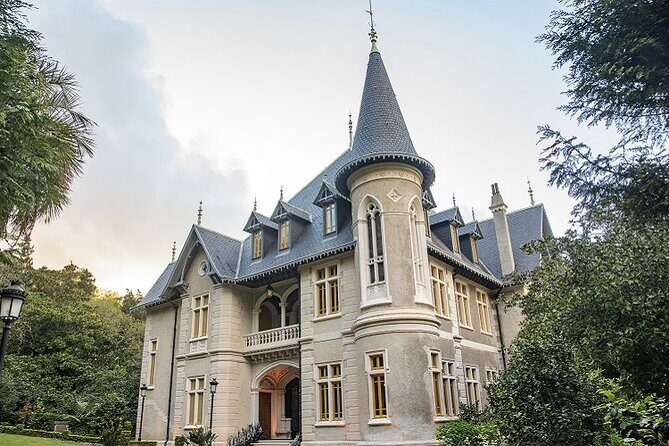
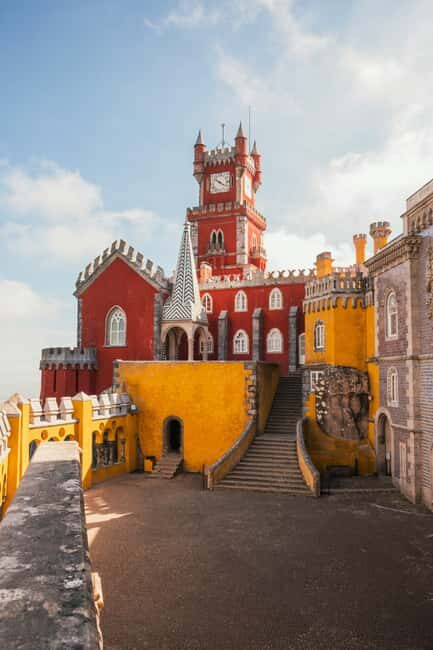
Pena is the Sintra name most people picture. The Palácio da Pena is a top example of 19th-century Romantic revivalism, and the setting matters as much as the building. Perched on the Monte da Pena, it gives you some of the most famous panoramic views over the region.
This is also where you’ll want to be strategic about tickets. The tour format allows you to choose how much you want to do inside. If you’re short on time or you prefer photography and views over guided interior stops, you can focus on the exterior experience and still feel like you got the core Pena moment.
Reality check: Pena involves hilltop walking. Plan for steps, sloped paths, and a bit of endurance. If you’re traveling with someone who tires quickly, tell your guide early so the stop length can match your group.
More Cascais Tours in Sintra





Stop 3: Quinta da Regaleira and the spiral staircase to the initiation well

Quinta da Regaleira is the stop that often makes people whisper, even if they don’t mean to. It’s one of Sintra’s most enigmatic sights, with a Romantic revival style that blends Gothic, Manueline, and Renaissance decorative ideas. The overall feel is symbolic and a bit theatrical—in a good way.
The moment to aim for is the Capela da Santíssima Trindade, where you can descend via a spiral staircase into the crypt. At the bottom, the initiation well leads to a grotto and then to a surprising lake hidden inside the gardens.
This is also a great stop if you like meaning, not just pretty walls. Even if you don’t go deep on architectural symbolism, the physical experience of descending and discovering the hidden water adds a memorable layer.
How to plan your time here: this is one of the places where slowing down pays off. Let yourself get a little lost in the garden pathways before you move on.
Stop 4: Sintra National Palace and the azulejo details you might miss otherwise
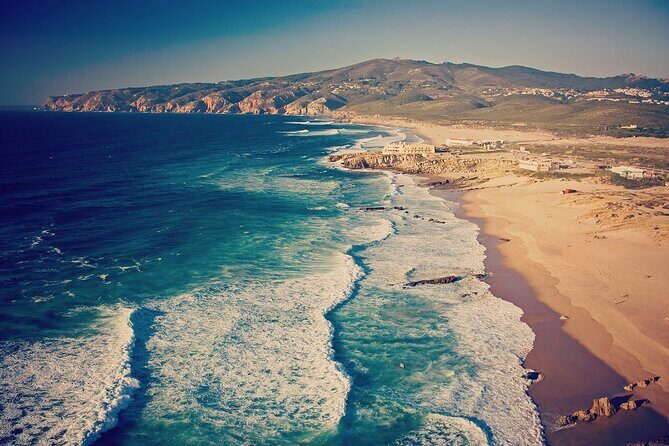
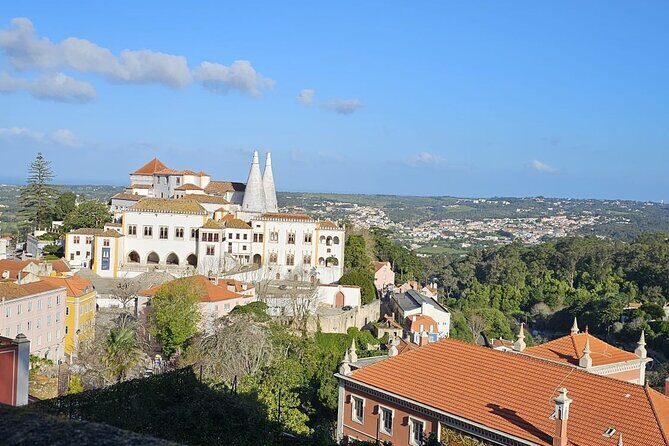
The Sintra National Palace is distinct among the royal medieval palaces in Portugal, and it’s tied closely to the idea that Sintra was a favorite royal residence over time.
One of the most practical reasons to visit with guidance is that you’ll notice what to look for. For example, the palace includes a history thread for azulejo tiles, from examples linked to Spanish-Moorish influence to the blue-and-white style associated with the 18th century.
If you’re the type who enjoys craft and materials, this stop can be more rewarding than it sounds. You’re not just passing through a famous building—you’re spotting details that make Portuguese decorative arts feel personal.
If you’re tired: this is an easy one to manage at a comfortable pace. You can focus on key rooms and then move on without feeling like you failed to “do everything.”
Stop 5: Castelo dos Mouros for big views and early Moorish layers
Castelo dos Mouros is a Moorish castle linked to the early occupation of the peninsula, dating back to around the 8th century. Later, the castle was taken by Dom Afonso Henriques in 1147, and the area includes references to early Christian chapel history as well.
This is another place where views matter. Walking the castle area gives you a sense of why the site was chosen. Even if you don’t memorize every date, you’ll feel the strategic location.
Wear sunscreen and expect steps. Castle areas usually mean exposed areas, uneven ground, and stairs or steep segments. This stop is best for people who are okay with a workout light enough to handle, but real enough to respect.
Stops 6 and 7: Azenhas do Mar and Cascais, where the day turns coastal
After all the hilltop palaces, the coast is a mood reset.
Azenhas do Mar
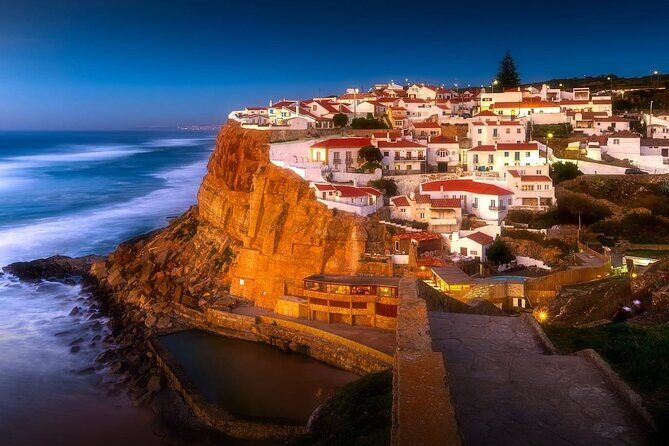
Azenhas do Mar sits on a small promontory above the sea. At the bottom, there’s a small beach with rocks that hold water at low tide, forming a natural pool. The visual payoff is the combination of sea, beach, houses, and the dramatic cliffs framing everything.
This is a short stop, but it’s the kind that gives you that “okay, I get why people love this coastline” feeling—especially if the light is decent.
Cascais
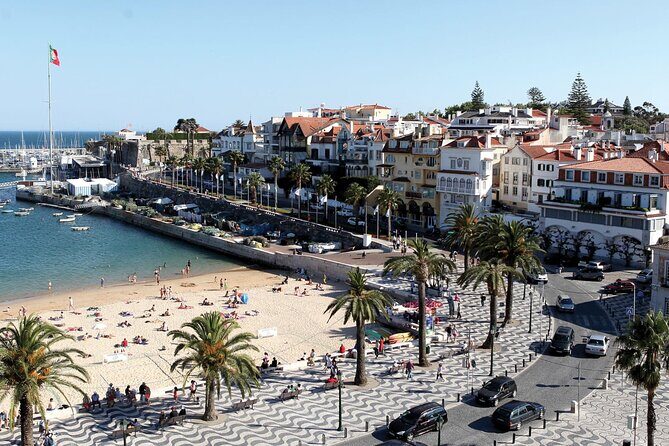
Cascais begins as a fishing village near the sea, then grows into a major port role in the 14th century as boats stop en route to Lisbon. Later, sea bathing becomes popular in the second half of the 19th century, transforming Cascais into a fashionable summer resort.
Practical tip: use Cascais as a breath and picture stop. Even with limited time, it’s a good place to reset your pace before the more dramatic cliff viewing.
Stop 8: Cabo da Roca, the westerly point of mainland Europe
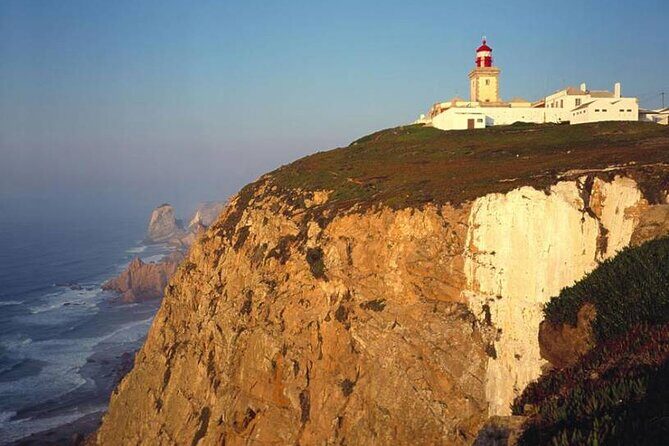
Cabo da Roca is a big ticket for photographers and coastline lovers. It’s known as the most westerly point of mainland Europe, and the location is often marked with certificates visitors take away as souvenirs.
The big reason to stop is the sheer height above the sea—about 150 meters—which makes the panoramic views over the Serra de Sintra and coastline feel immediate. You’ll likely understand the difference between “a nice ocean view” and “this is a coastline with power.”
Timing matters: if you hit it in good light, it’s a strong finale stop. If the weather is foggy or harsh, you may still appreciate the viewpoint, but the dramatic clarity can be limited. Bring a light layer even in warmer months, since cliff areas can feel cooler than you expect.
If there’s time: Belém drive-by for monastery, tower, and pastries
Depending on timing, you might also get a drive-by in Belém for photos of Jerónimos Monastery, Belém Tower, and the Padrão dos Descobrimentos. There may also be a quick chance for a coffee or a stop for pastries at the famous Pasteis de Belém.
This part is not the main event, so don’t count on long time here. Think of it as bonus photo fuel if the day is running smoothly.
Walking, tickets, and how to plan for an efficient day
This day is designed around multiple stops and a full schedule. The tour format helps you avoid wasting time in the wrong places, but your body still has to do the work.
Here’s how I’d plan it so it feels fun rather than exhausting:
- Pick your must-enters: If you love interiors, plan to buy tickets for Pena and other palace interiors. If you’d rather see more exteriors and viewpoints, you can reduce interior time.
- Expect uphill segments: Monserrate, Pena, and the castle area all involve more walking and climbing than a flat sightseeing day.
- Use the guide for ticket choices: The tour includes coordination support so you don’t accidentally buy the wrong thing or waste time once you arrive.
- Bring stamina, not just curiosity: Your best photos often come after you walk a bit. Pace yourself.
Who this Sintra and Cascais tour fits best
This tour fits best if you want:
- a private day with transportation so you don’t fight transit and lines
- flexibility to tailor the day to your preferences, not a rigid checklist
- a mix of palaces, gardens, and coastline viewpoints in one go
- a guide presence that helps you stay oriented and make smart ticket decisions
It’s especially appealing if your group includes people with different interests—someone wants palaces and someone wants ocean views—because the route naturally supports both.
If your group dislikes walking uphill, you’ll need a more deliberate pace and possibly fewer inside visits. The coast stops can be easier, but the Sintra portion does involve climbs.
Should you book this private Sintra and Cascais day?
I’d book it if you’re aiming for a smooth, efficient day with minimal stress and you value door-to-door transportation. For the price point, the biggest win is that you’re paying for time saved: the car moves you between major sights, and you’re not stuck deciding how to get from one hilltop to the next.
I wouldn’t prioritize it if you’re traveling with very limited mobility and need fully flat sightseeing, because parts of the Sintra experience involve hilltop walking. And if you already have a low-stress plan for buses or taxis and you love spending time figuring logistics out, a DIY approach could work too.
FAQ
How long is the Sintra and Cascais private tour?
It runs for about 7 to 10 hours, starting at 8:00 am. The exact timing can vary based on how long you spend at each stop and which inside visits you choose.
Is pickup included, and where does it start?
Yes, pickup is offered from your chosen location. The tour starts at 8:00 am.
Are entrance tickets included in the $63.05 price?
No. Tickets are not included and costs depend on what you choose to visit. Typical ticket prices mentioned are about 10 to 17 euros per ticket.
Is this a private tour or a group tour?
This is private. Only your group participates, so you won’t be mixed with strangers.
What’s included during the ride?
You get private transportation, WiFi on board, air-conditioned vehicle, and bottled water. There’s also extra snacks commonly carried in a small cooler.
Do I need a physical ticket?
No. The tour uses a mobile ticket.